Monday, November 27, 2006

the other Lady Soul

lady soul fig. a: the original Lady Soul

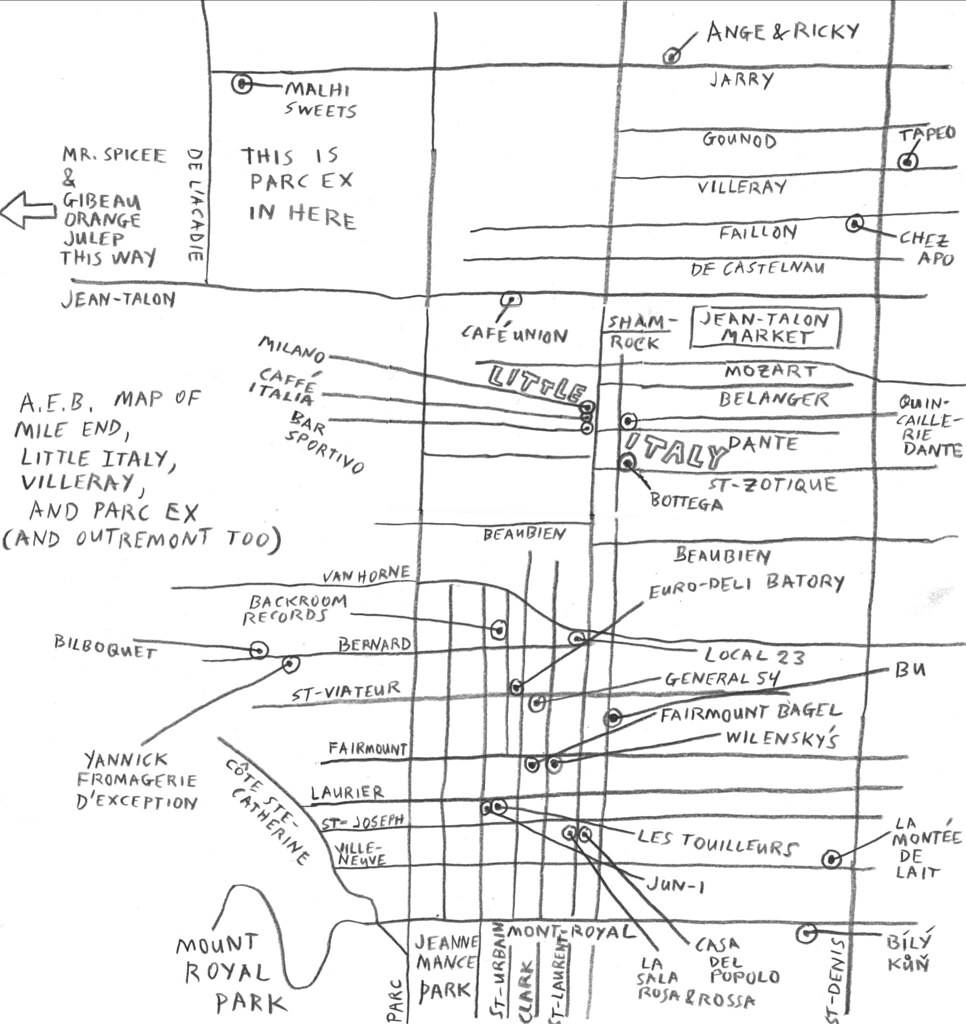
Let's just say I had soul food on the brain for a few weeks there. That isn't all that of unusual with me because I'm a big fan of soul food and have been for a long time, but for some reason there was a period beginning in October and stretching into November where people kept bringing up the subject of soul food repeatedly with me. First, there was my friend J. who called me from Nashvegas to tell me about the Southern Baptist soul food and gospel reception he’d just attended down in Demopolis, Alabama. Then, there was my friend M. who hit a legendary soul food hot spot in Harlem over the course of a weekend in Manhattan only to get seated at the counter right next to Lady Soul herself, Ms. Aretha Franklin. And those were just the two most dramatic examples. Anyway, I was starting to have vivid dreams about fried chicken, sweet potato pie, collard greens with pot liquor, and the like. A little too vivid, frankly. So I began planning lightning road trips just far enough into the States that I could find the real thing. You see, the conventional wisdom is that Montreal has no soul food. It must have had some 60-70 years back, because I’d be shocked if the same forces that brought jazz to Montreal (Pullman cars and the Great Migration) didn’t also bring real Southern-style soul food along for the ride, but the only Southern idiom cuisine that you ever come across here these days is both overpriced and ersatz. I was honestly starting to go a little crazy, when I calmed down and reminded myself that although Montreal might not have all that much in the way of Southern-inspired soul food, it’s not without other traditions of soul food. Now, I’ve been known to extend the term “soul food” to a whole range of decidedly non-Southern comfort foods in the heat of the moment, from Ashkenazi deli fare to Vietnamese phô soups, and, in this regard, Montreal has no shortage of “soul food,” but even if one takes a somehwat more orthodox approach to the subject, Montreal isn’t exactly a slouch. That’s because insofar as the Southern soul food idiom is fundamentally Afro-Caribbean, and Montreal is relatively rich when it comes to West African, Caribbean, and especially Creole culture, Montreal can actually provide a pretty good primer on the roots of soul food. A case in point: Ange & Ricky, a little Creole casse-croûte on Jarry just a few blocks east of St-Laurent.

It was right in the midst of "soul food fever" that Michelle and I discovered Ange & Ricky quite out of the blue. We were driving along Jarry on our way to check out yet another Montreal eatery when our roadfood senses started to tingle. We looked over to our right and there was a little resto we'd never noticed before, packed to the gills with local CEGEP students and giving off the most heavenly aromas. Then we noticed the name. We continued on for a few blocks, but really the die was cast. We knew that on this particular occasion Ange & Ricky was what we were really looking for, so I made a U-turn and we headed back down for our date with destiny.

Ange & Ricky is about as “soul food” as you’re going to find in Montreal. It’s got a small, no-nonsense interior whose walls are cluttered with beauty care products and dry goods of all sorts because the space doubles as an épicerie; an interchangeable-letter sign that serves as Ange & Ricky’s only menu; and a take-out counter at the back of the restaurant that dispenses the restaurant’s authentic Creole fare presided over by Ange herself—the other Lady Soul. Try the tassot and you’ll find yourself eating a tasty jerked beef dish that’s surely a part of Southern barbecue’s extended family (you’ll also find yourself with a dish whose name calls to mind Cajun tasso*, even if Haitian tassot has about as much to do with its Cajun namesake, as French boudin has with its Cajun counterpart). Try Ange’s poulet and you’ll get served what must certainly be the city’s finest fried chicken. Of course, there’s not much competition in that department—this is by no means a fried chicken town—but that does nothing to diminish the greatness of Ange’s special, spicy, finger-lickin’ blend. Make no mistake about it, though: this is the real thing, bearing virtually no resemblance to that Kentucky Fried nonsense. Finish off your meal with one of Ange & Ricky’s cashew sweets and you’ll find yourself with a cinnamon and chili pepper-laced cashew praline (as opposed to, say, pecan) that’s among the best I’ve encountered since the last time I was in the Big Easy*. Add “dirty rice” with peas, fried plantains, and an amazing chayote and carrot vegetable dish with shredded beef to the mix and you’ve got yourself a little slice of soul food heaven.

For weeks there I dreamt of riding the Soul Train—well, the Soul Food Train—all across the Deep South in search of the genuine article. I haven’t let go of those dreams by any stretch of the imagination, but these days I find myself dreaming about Ange & Ricky more often than not.

For more thoughts on Ange & Ricky check out my review in the Montreal Mirror.

Ange & Ricky, 195 Jarry E., 385-6094 (hours: Sun–Wed, 9:30 a.m.–8 p.m,; Thu–Fri, 9:30 a.m.–9 p.m.; closed on Saturdays)

aj

* Keep in mind that many Acadians made their way from the Maritimes to Louisiana via Saint-Domingue, which would soon become Haiti.

Tuesday, November 21, 2006

The Return of Švestka

svestka

Expozine, Montreal's premier small-press, comic and zine fair, is celebrating its 5th anniversary this Saturday, and that means Švestka Preserves Inc. is back in action! We'll be selling all your old Švestka favorites, including the one, the only pear-vanilla-bourbon butter, oignons confits (a.k.a. the opiate of the masses), and our infamous golden pear chutney, as well as some actual printed matter for the very first time. That's right, endless banqueteers, this year you'll be able to see and purchase the fruit of the "...an endless banquet" printing office's labors, including our very first "...an endless banquet" book (!) (okay, chapbook, really), when you pop by to say hello or stock up on preserves.

Come visit the "...an endless banquet" mobile unit in the basement of 5035 St. Dominique from 11 am till 6 pm.

For more information, check out our friends at Expozine here.

For a map, go here.

aj

Thursday, November 16, 2006

Top Ten #14

1. Chick & Ruth's, Annapolis, MD

2. Ocean Odyssey, Cambridge, MD

3. Maryland Rts. 33 & 333:

Fairbank, MD

Beer Ice Gas Soda's Bait Tackle

off Rt. 33

v is for valliant

4. Golden Pear Chutney and Ploughman's Lunches

Capt. Stu

5. Stuart A. Staples, Leaving Songs, Lucky Dog Recordings, 03-04, and live

6. Martin Picard, Au Pied de Cochon: The Albums

7. Un Flic, dir. Jean-Pierre Melville

8. The Departed, dir. Martin Scorsese

9. Karel Capek, The Gardener's Year

10. Ange & Ricky, Montreal

aj

Wednesday, November 15, 2006

How we celebrated our second anniversary

Do we go out? Do we stay in? If so, what do we make? What kind of event do we hold? Are we talking brunch? Lunch? Cocktails? Dinner? What exactly is le concept?, as people sometimes put it around these parts.

For us, the Summer of 2006 was synonymous with barbecue. We caught the fever right at the beginning of the summer and our temperature continued to run high for months. In fact, technically, we caught the fever before the summer had even actually begun, and it lasted right through the season and into the fall. We had it so bad, we envisioned GSFC events right up until the end of October. As it turned out, however, the one weekend with great barbecue potential (bright sunshine, blue skies, and unseasonably warm temperatures) was the weekend of Puces Pop when we were otherwise occupied and we never had another opportunity to take it to the streets. So when we started to toss around ideas for our anniversary party, we beat around the bush a little, but all we really wanted was some more barbecue. And with the weather being what it's been (not real pretty, exactly, but mild at least) we even got an opportunity to bust out the gas grill one last time so we could do things properly (well, as properly as you can do things with a gas grill).

We wanted to do something special, so we got it into our heads to invite a shady musical ensemble known only as The Secret Choir to perform, to give our barbecue the feel of a real Sunday gathering (something we'd wanted to do for our final GSFC bbq of the year), but their bass was away on business. So we placed an open call to any and all "sanctified singers" that might be hiding amongst our invitees*, made some gospel mixes as a back-up, and started planning our menu, figuring we'd let the food hog the spotlight.

We trotted out all of the classics from our first North Carolina-style barbecue for this particular event--Eastern North Carolina Pulled Pork Sandwiches, A.J.'s Tangy Piedmont Cole Slaw, Down East Baked Beans, and our smoky Not Quite All-American Barbecue Sauce--but in order to mix things up a little, and because we were going to be operating out of the comfort of our own home, not toughing it out in some public or semi-public space, we tested out a few new recipes. The result was a Sunday barbecue bonanza.

MO-style ribs fig. a: MO-style ribs

MO-style BBQ Ribs

2 full racks of 3/down pork spare ribs [the term “3/down” refers to the weight of the rack. In this case, it means a slab of 10 to 12 ribs that weighs three pounds or less]

rub (1 cup):
2 tbsp salt
2 tbsp sugar
2 tbsp light brown sugar
2 tbsp freshly ground cumin
2 tbsp freshly ground black pepper
2 tbsp chili powder
4 tbsp paprika

basting sauce (2 cups):
1 3/4 cups white vinegar
2 tbsp Tabasco sauce
2 tbsp sugar
1 tbsp salt
1 tbsp freshly ground black pepper

Preheat your oven to 180º F. Rub the ribs with your Missouri-style BBQ rub and allow them to come to temperature (partially, at least), about 1/2 hour. Place the ribs on a large baking sheet and put them in the oven for 3 hours. There’s no need to flip the ribs or disturb them in any way. You’re cooking them at a very low temperature and getting the rub to do its work.
Remove the ribs from the oven. At this point you can either let them stand for a while, cover them and refrigerate them (for anywhere up to 2 days), or slap ‘em on the grill immediately.

When it comes time to grill, you want a very low fire and you want to continue to slow-cook them until your patience won’t hold out any longer. Ideally, a light crust will form over the ribs and you’ll notice caramelization begin to occur. 1/2 hour over your lowest flame should produce excellent results.

If you like your ribs “wet,” coat them with you basting sauce just before removing them from the grill. If you’re a “dry,” as I am, just serve them with your basting sauce on the side.

Serves about 5 people as a meal, or about 20 as a special surprise.

[Based on a recipe from Chris Schlesinger and John Willoughby's The Thrill of the Grill.]


In our case, I heated my gas grill on high until my smoking apparatus filled with water-soaked hickory chips began to give off its hickory perfume. Then I turned down my fire to the very lowest setting and placed my two racks at the outer extremities of my cooking surface, to minimize any chance of overcooking. I let them do their thing for 1/2 hour and then went out to check on them. They’d formed one of the nicest crusts I’d ever seen on home-barbecued ribs.

I brought them into the kitchen, tore off a “test rib” for Michelle and myself, dabbed on a little of the basting sauce, and we sampled the goods. Unreal. We gave each of our 20 guests who stopped by a rib as a surprise. I felt like I was distributing candy.

fixins bar fig. b: fixins bar

Poor Man’s Caviar
2 15-oz. cans of black-eyed peas
8 scallions, chopped
1 green bell pepper, finely diced
1 red bell pepper, finely diced
1 large tomato, cored and diced
1/4 cup cilantro

dressing:
2/3 cup extra-virgin olive oil
1/3 cup red wine or sherry vinegar (or a combination of the two)
1 pinch dried herbs, such as basil, oregano, and thyme (or a combination of these)
1 tiny pinch crushed red pepper flakes
salt and freshly ground black pepper to taste

Tabasco sauce

Drain the peas well and place them in a large bowl. Add the other dry ingredients. Mix the salad dressing. Add the salad dressing and mix thoroughly. Season to taste. Add a healthy dash or two to the salad, if so desired.

Cover the bowl with plastic wrap and refrigerate for a minimum of 3 hours and preferably overnight, to allow the flavors to mingle properly. Serve cold or at room temperature.

Makes 8 cups.


I think I was the only one at our barbecue who'd ever even heard of Poor Man's Caviar prior to Sunday. The recipe above is adapted from one we found in Kathryn Eastburn's "The Sacred Feast," the Saveur article that had been one of the inspirations behind our first GSFC barbecue. The original called for a 16-oz. bottle of store-bought Italian dressing. I didn't have any problems making barbecue sauce with Coca-Cola last June, but for some reason I couldn't bring myself to buy a bottle of commercial salad dressing. Plus, just because this was a "caviar" dish, I really didn't feel the need to teach those black-eyed peas to swim. I made my own dressing, and I cut the volume in half. It turned out great, with just the perfect amount of dressing.

Sweet Tea à la AEB

Place 4 orange pekoe tea bags in a large jug and fill it with hot water out of the tap. Allow the tea to steep outside overnight. The next day remove the tea bags. Make a simple vanilla syrup by adding 2 cups sugar and 1 vanilla bean to 2 1/2 cups water. Bring to a boil and cook until the sugar dissolves. Add the syrup to the tea to taste, but we found that this amount of syrup was just the perfect amount for our massive 5 L jug. Serve straight or with a slice of lemon. Tastes pretty good with a little bourbon, too.


huguenot torte fig. c: Huguenot torte

Huguenot Torte

3/4 cup ground pecans
3/4 cup ground English walnuts
1/2 cup ground black walnuts
2 medium apples, peeled
4 large egg, at room temperature
1 large egg yolks, at room temperature
1 3/4 cup sugar
3/4 cup unbleached all-purpose flour
16 perfect pecan halves
Sugar
2/3 cup cream

Prepare two 9-inch cake pans by lightly greasing them, lining them with waxed paper or parchment, greasing the paper, and lightly dusting with flour. Preheat the oven to 375 degrees F. and put a pan of water in the bottom of the oven.

Mix the ground nuts together. Very finely chop the apples with a knife. You should have 1 3/4 cups. In a warmed electric mixer bowl, beat the eggs and egg yolk on high speed until doubled in volume. It may take 10 minutes or more. Slowly add the sugar while beating and continue beating until the volume is tripled. The eggs should be very thick and light in color. Don't be afraid of over-beating. Sift the flour over the egg mixture. Sprinkle the ground nuts over all, followed by the apples. With a large spatula, fold the mixture together rapidly but gently, being certain to bring all the elements from the bottom of the bowl up into the mixture. Divide the batter between 2 cake pans and bake in the middle of the oven for about 25 to 30 minutes, or until the top is golden brown and the sides have begun to pull away. Do not push on the meringue like top, or it may cave in. Place on a rack in a draft-free place and let cool completely.

Lightly toast the pecan halves while the cake are in the oven. While the pecans are hot, quickly dip them in water and then roll them in granulated sugar until they are lightly coated. Let them dry on a rack. The cakes must be perfectly cool, or the heat will melt the cream. Invert the pans to remove the cakes, discarding the paper liners, and turn the cakes back over again so that the crusty top surface is in its original position. Place each cake on a serving platter. Using an electric standing mixer, fitted with a whip attachment, whip the cream with some sugar until stiff and place 8 dollops of the cream evenly around each cake. Garnish each bit of cream with a sugared pecan and serve with a shot glass of bourbon neat.

[Adapted from a recipe in Hoppin' John's Lowcountry Cooking: Recipes & Ruminations From Charleston and the Carolina Coastal Plain]


sweet tea & bourbon bar fig. d: sweet tea & bourbon bar

This is one of my favorite desserts (the fact that I supposedly have some Huguenot blood on my maternal side** may have something to do with this), but Michelle had never heard of it. She was a little worried when it finished baking because it wasn't much to look at (like many of the best Southern dishes, desserts included, it's a little on the homely side--wonderfully so), but when she finally got around to testing it out, she was very pleasantly surprised. Meanwhile, Patrice was so impressed he promptly decided to work on a version for Le Chou. If you've never tried it, you really must. It forms a meringue-like crust up top, while below the torte remains soft and spongy and the nuts and apples combine their flavors in a way that's wholly unique and utterly delicious. And if you think the shot of bourbon is purely superfluous, you're wrong.

Postscript: It's now been three days since our barbecue, and any and all leftovers are long gone, but a faint scent of hickory smoke continues to linger in the air, which gives off the uncanny sensation that you've stepped into a fully furnished, all-mod-cons smokehouse. Every time I come home that gentle hickory wind just makes me hungry.

aj

*Apologies to any and all we weren't able to extend an invitation to, especially all of you sanctified singers we might have missed. We much prefer throwing inclusive events, but, hey, c'est la vie...

**Believe it or not, while Protestant sects were later barred from entering New France, the early history of Quebec was somewhat more tolerant (how else to populate such a remote land?), and a Huguenot presence settled there in the early 17th century. When the tide turned later in the century, much of this population, including some of my ancestors, apparently, was quickly converted to Catholicism. Huguenot Torte is a product of the proud Huguenot population which settled in Charleston, SC following the Edict of Fontainebleau in 1685. I'm not sure if anything similar was ever made in Quebec.

Tuesday, November 14, 2006

"Goodbye, Mario! Goodbye, The Babbo Cookbook!," or The Captain's Dinner*

UFOs?

Here's where I come clean with a confession: as of just a couple of days ago I had yet to return the Mario Batali book I borrowed many months ago from a friend. Remember our dinner with Mario and more dinners with Mario? Well, I'd held on to the book ever since. I even bought Molto Italiano in a pathetic effort to wean myself away from The Babbo Cookbook, but it didn't really work. Those pictures were just too beautiful to let go of. So I decided the thing to do was go out with a bang. I'd come clean and call Étienne, clueing him in on just where his beloved book had disappeared to, and then I'd make arrangements for him to pick up his book, but I'd delay him just long enough to make my farewell meal, one last parting kiss before I finally relinquished control (after all, what's another day or two when you've been missing a book for the better part of the last two years?). I know. Sounds absurd. It was. But it was worth it. I learned another great recipe, I got over my pasta-making phobia once and for all, and Étienne got his book back. Here's how I went about preparing my "Goodbye Mario, goodbye The Babbo Cookbook" meal.

Instinctively, I turned to the most autumnal recipe I could find: Squash Ravioli with Sage Buttter. Winter squash, sage, parmesan, and amaretti--what's there not to like? Turned into a ravioli dish, it makes for a great mid-autumn comfort meal--an elegant, delicately flavored one. Squash and sage is already a magical combination. Add freshly grated parmesan and freshly grated amaretti to the mix and you've got something that's truly divine.

amaretti, sage and parmesan

This dish is also a great excuse to dust off that pasta machine hiding in your cupboard. [Yikes, come to think of it, our pasta machine was also a loaner. The poor guy who loaned it to me tried to get it back a few times over the course of a couple of years. When all attempts failed, he finally gave up hope and said, "I really didn't ever use it. Just keep it." So I did.] Anyway, I hope you have one [If you don't you might want to try borrowing one from a friend. Who knows? You might wind up becoming the lucky owner.] because I tried to roll it out by hand and I don't recommend it. It took me over 20 min. to get the dough halfway to the desired thickness, and it absolutely refused to get any thinner.

Now, before you roll your eyes and say, "Homemade pasta, give me a break," listen to this... The first time I made pasta it was a disaster. With no one to show me what the right consistency was, I kneaded the dough for a grand total of two minutes. Having only made bread and pastry before, I thought, "Sure. That looks fine. Right?" It was really quite wet, though, and when I tried to roll it through the machine, it got stuck between the rollers and crumpled into an ungodly mess. I vowed then and there never to make pasta again, that I'd leave it to the professionals. Then I came across a crazy recipe at work. 100g flour, 1 egg: mixed, kneaded 10-20 min., left to relax at least 30 min. I thought to myself, it looks too simple, and too dry. I had to try it [Go figure.]. The dough was so dry, in fact, that I could barely knead it. With encouragement from other cooks, who said that it looked right, I kept at it. My arms started to ache as I continued beat it into submission. "Needs a bit more." "Give it one for me," they kept saying. I got to a point where I thought I was going to cry. After over 20 min. of hard labour [Wow, I'm really managing to make this sound easy!], I wrapped it in plastic and left it in the fridge overnight. The next day it was as if a miracle had occurred [You've gotta love a recipe that relies on a miracle.]. The unruly dough had relaxed into a perfect ball. When it was passed through the pasta roller, it came out perfectly, no additional flour was needed. Even at the thinnest setting, it came out without tears or wrinkles or any kind. We ended up eating it for our staff meal that night and suddenly I was a believer again.

Armed with this new-found sense of empowerment I jumped right into the fray and made pasta again just a few days later, this time at home. I didn't use the recipe I'd discovered at work, however, I used Batali's pasta recipe. His recipe was much easier to mix and knead, resulting in a wetter dough (though not nearly as wet as my infamous self-imploding batch, thankfully). It's a little harder to pass through the pasta machine than the recipe I tried at work, but then this pasta dough is much easier to handle. Use flour to dust the dough between each pass and it should work perfectly fine.

Squash Ravioli with Sage Butter

dough (makes 1 pound):

3 1/2-4 cups all purpose flour
4 large eggs
1/2 tsp. olive oil

Mix 3 1/2 cups of flour together with the eggs and oil until it forms a ball. Knead on a floured surface 10 min. until the dough is smooth and only slightly sticky, using extra flour if needed. Wrap in plastic and let rest at least 30 min. at room temperature before rolling out.

Captain's squash

filling:

I small winter squash, such as pumpkin, acorn, butternut or hubbard
1/2 cup parmesan, grated
1/2 tsp. nutmeg
2 Tbsp. balsamic vinegar
salt and pepper to taste

Cut squash in half, seed, drizzle with olive oil and bake in a hot oven until it is tender, about 45 min.
Scoop out the flesh of the squash with a spoon, add the remaining ingredients and mash until it is a relatively smooth paste. Set aside.

Roll dough out one slice at a time to the thinnest setting. Lay dough out on a long work surface and drop spoonfuls of the filling about 2 inches apart onto the upper half of the dough, staying clear of the edges. Fold the bottom half over to meet the top edge of the dough. Carefully seal each spoonful of filling by pressing the dough around it. Cut into desired shapes with a knife, a cookie cutter, a ravioli cutter, a pastry wheel, or any other implement you have on hand. Place on a lightly floured surface and continue with the rest of the dough and filling until one of them runs out.

Bring a large pot of salted water to a boil. Drop the ravioli in, boil 2 min., then strain.

the finished plate

to serve:

1 stick unsalted butter
8 sage leaves
1 amaretti cookie
salt, pepper and parmesan to serve

Melt the butter in a large sauté pan. Add the ravioli and the sage leaves, tossing gently until covered with the butter sauce. Place on plates, drizzling a little extra butter on the ravioli, grate parmesan and amaretti over the the plate and serve.

am/km

* The Captain in question is the Czech man at Jean-Talon market who specializes in eggs as well as winter squashes. He doesn't know it, but he's "...an endless banquet"'s official egg provider. We got both our eggs and our squash for this meal from him.

Tuesday, November 07, 2006

Ploughman's Lunch, rev. ed.

ploughman's lunch

Last year, our Chutneys Division found itself focusing on more or less traditional varieties, chutneys that hailed from the Indies, both East and West, and were tropical in character, with Devil Chutney being a particularly popular manifestation of that particular campaign. This year we've been concentrating on varieties that are very much products of Indo-British contact and the diaspora that resulted, ones based largely on non-tropical fruit. Contrary to the beliefs of many, chutney—or chutni, or chatni [compare with chat or chaat]—is a class of relishes that predates Indo-British contact by a long shot. There's no question that the British developed are particular liking for chutney, and appear to have encouraged the development of chutneys that were sweeter, rather than sour or sweet and sour as they had been, perhaps in an attempt to counter the fieriness of the cuisine they encountered there in the Indian subcontinent, especially in certain southern regions and on the island then known as Ceylon. But chutneys made with spices, herbs, and a base of tamarind, lime, garlic, or coconut, among others, had long been used to add counterpoint to Indian cuisine. In fact, in some parts of India, notably Kashmir, there were already chutneys that anticipated those that one might think were the most Western, including varieties involving walnuts, squashes, and stone fruits.

With all of this in mind, this year's experiments have been decidedly Western. As our sign for this year's batch of plum chutney read at Puces Pop, "So what if there ain't no plums in India? Ain't no law again't it." We’d already been very happy with the chutneys that had resulted from this year’s campaign, but last week we went and hit the mother lode. I’d gotten it in my head that I wanted to try making a pear chutney. We researched some recipes, ran some tests, made some adjustments, and lo and behold somehow we managed to make the very best chutney either of us had ever tasted, our very own Golden Pear Chutney. Sounds like an awfully bold claim, I know, but that combination of pear, confited onion and lemon, candied ginger, and spices was absolutely irresistible, and we instantly started creating any excuse we could to eat it. We just couldn’t get enough of it. After a couple of days, I’d already maxed out on Indian dishes, and we’d had chutney with cheese and crackers (in that order) on several occasions. It was then that I came up with yet another bright idea, one which would take full advantage of a number of this year’s stock of preserves, including that truly awesome Golden Pear Chutney: I decided it was time we created “…an endless banquet’s” take on that most contested of British (modern) classics, the Ploughman’s Lunch.

First, you’re going to need to make your very own batch of…

Golden Pear Chutney

1 pound peeled (make sure to reserve the pear peels), cored, unwaxed, just-ripe pears (preferably Flemish beauties), cut into 1/2 inch pieces + 1 pear
1 cup light brown sugar
2/3 cup onion, chopped into 1/4 inch pieces
1/2 small lemon, peeled and thinly sliced
1 teaspoon mustard seeds
1/2 tsp cayenne pepper
1/2 scant tsp cinnamon
1 pinch nutmeg
1 pinch ground cloves
1 pinch ground ginger
1/4 generous tsp ground white pepper
1/4 cup chopped crystallized ginger
1/3 cup dark raisins
1/3 cup light raisins
1 cup apple cider vinegar
1 shot pear eau-de-vie

In a three-quart non-reactive saucepan, simmer the extra pear and the pear peels in about 2 cups water for 10-15 minutes. Strain over a bowl, return the cooking liquid to the saucepan, add the onions, the spices, the brown sugar, and the lemon, and boil until you have a thickened syrup and the onions and lemon have been confited, 20 to 30 minutes.

Meanwhile, mix the vinegar, the raisins, and the candied ginger with the pears and let them macerate.

When the syrup is ready, add the pear mixture and the eau-de-vie to it and simmer until the mixture has thickened up a bit, like a proper chutney, the raisins and pears have softened, and the vinegar has mellowed, about 15-30 minutes.

[Adapted from a recipe in John Martin Taylor’s Lowcountry Cooking]


Once you’ve got a batch of Golden Pear Chutney, you’re well on your way to making your own “…an endless banquet”-style Ploughman’s Lunches.

ploughman's spread

This was our spread:

• 1 premium, extra-sharp cheddar (we used Perron 4-year aged cheddar because it’s just about the best cheddar we can get locally—of course, if we’d been able to get something like the Montgomery cheddar we’d had the week before down in the States, we would have)
• 1 good, crusty loaf of bread (we used Première Moisson’s Pain de campagne, but, in retrospect, a loaf from Fromentier would probably have been an even better fit)
• 1 head of Boston lettuce
• 1 jar Golden Pear Chutney (you can see it there on the right in the picture up at the very top)
• 1 jar oignons confits
• 1 jar mustard pickles
• 1 jar dill pickles
• 1 pot properly steeped tea
• 1 serving pound cake, for dessert

If you don’t have any oignons confits, you might want to seek out something like Branston pickle instead. If you don’t have any homemade mustard pickles or commercial picalilli, you might want to get yourself some pickled onions. And there are plenty of other ways in which you could improvise. Frankly, if you start off with a chutney as ridiculously good as this Golden Pear Chutney, it’s hard to go wrong. We could have used a couple of pints of hand-pulled ale and maybe even some quality crisps to accompany our Ploughman’s Lunches, but otherwise, with bright sunshine pouring through the window into our living room, it made for the perfect weekend luncheon.

aj

Thursday, November 02, 2006

Au Pied de Cochon: The Launch

Neglecting you? Yes, dear readers, that we're guilty of. But all rumors that our silence over the last ten days has been some kind of cheap “Paul is dead”-style publicity stunt (“My God, that explains Michelle’s bare feet peeking out from underneath that check tablecloth on October 12th!”) are grossly exaggerated. In fact, not only has “…an endless banquet” been living up to its name (“It don’t stop!”), we’ve been busier than ever. Conducting interviews, attending events, traveling great distances, giving interviews, taste testing, receiving nominations—it’s been one wild week. There’s hardly a shortage of material kicking around the editorial offices of Endless Banquet Inc. Quite the opposite. We’re dealing with a bumper crop!

It all got started a week ago last Monday at the launch for this handsome looking tome:

au pied de cochon: the album fig. a: Au Pied de Cochon: The Album

Somehow I’d managed to get myself invited (plus one!) to the journalists’ session for Martin Picard’s new book, Au Pied de Cochon: The Album, the book that commemorates his restaurant’s fifth anniversary. We’d been excited about the release of this book for weeks. The word around town was that it wasn’t just a cookbook, it was something of a multimedia extravaganza. Typically that kind of hype might have had us worried, but we had faith in Martin Picard and his team at Au Pied de Cochon—in the three years we’d been going there they’d never let us down yet. So it was with eager anticipation that I opened my copy of Au Pied de Cochon: The Album (not a cookbook, an album) there at the table and started to leaf through it and read—and what I found, I loved. Recipes, photographs, declarations, diagrams, artworks, comics (the French edition, Au Pied de Cochon: l’Album, comes complete with a 40-page comic book), testimonials, and even an impressive DVD (!) which contains over two hours of behind-the-scenes segments, homages to the Québécois terroir, and recipes inspired by Au Pied de Cochon as proposed by friends of the restaurant. Instead of some kind of typical celebrity chef vanity project, you get something that’s much more openly collaborative. Few restaurateurs have been as successful at cultivating a tight, talented équipe as Picard has been. Few restaurateurs have been as dedicated to cultivating a network of artisanal producers from which to draw his high-quality staples. And this book is clearly dedicated to both of these immediate and extended families. Hell, Picard even takes the time to tip his hat to Au Pied de Cochon’s plongeurs. The overall package is irreverent, even anarchic at times, but it is cohesive and even compelling because it has somehow managed to capture the majesty of Au Pied de Cochon’s spirit in all its earthy glory.

the greatest fig. b: the greatest

It’s also terribly funny. Take page 133, for instance. While other cookbooks engage in involuntary surrealism by pairing recipes with photographs that bear little resemblance to them, or offer up all kinds of other cul-de-sacs and misdirections, Au Pied de Cochon revels in its inconsistencies (although, truth be told, it's very well edited). The recipe here—“PDC Petits Cornichons Salés (Pickles)”—is a simple one that includes only six ingredients: baby cucumbers, white vinegar, black peppercorns, a bay leaf, 7 coriander seeds, and coarse salt. The photograph that accompanies it features medium-sized Kirby cukes and lots of garlic. The caption reads: “You’ll no doubt notice here that the photo shows dill and garlic pickles rather than the petit cornichons. At Au Pied de Cochon, we like to make sure our readers are paying attention!” Later, when I asked Picard about the sens d’humour that permeates the book and indeed the restaurant (like its hilarious “backwoods butch” men’s room), he insisted that while not taking themselves too seriously was key to the Au Pied de Cochon experience, being “very, very professional” was job one. As if anyone could possibly take anything Picard and Au Pied de Cochon did lightly!

Crack open your copy of Au Pied de Cochon: The Album and you’ll find virtually every recipe that has made Picard and the restaurant renowned internationally—and justly so, I might add. Foie Gras Poutine, Stuffed Pigs’ Feet, Duck in a Can, PDC Monster Lobster—they’re all there. You’ll also find a typically lively introduction by none other than Anthony Bourdain, the man who made Au Pied de Cochon the subject of one of the more memorable episodes of No Reservations. And you’ll find that all the extras are worthwhile. The photographs have a keen eye to them and are lushly reproduced, the DVD is very well shot and crisply edited and you come away from it thinking that, in spite of his no-nonsense, “Bullshit-Free” demeanor (to paraphrase Bourdain), Picard is a hugely telegenic presence.

If all this wasn’t enough, Picard decided to throw in a multi-course meal to further show off the remarkable generosity that has come to define the restaurant. Living in Montreal, you catch wind of these elaborate affairs at Au Pied de Cochon with some frequency. The measures taken to create their annual Hunter’s Banquet, a phantasmagoria of feather and flesh that Martin Picard describes as being the ultimate expression of his culinary imagination. The magnanimity (sometimes to the point of cruelty) with which friends and fellow travelers (like Bourdain) are treated when they pay Au Pied de Cochon a visit. That kind of thing. It’s a whole other thing to actually find yourself actually taking part in one. Get this:

• heaping portions of wild sturgeon caviar from Abitibi
• tripe gratin with a rich wine sauce
• a monumental club sandwich à la PDC, complete with lobster, foie gras au sel, and smoked mackerel, and smothered in a creamy foie gras-based sauce,
• roasted heirloom Chanteclaire chickens served with an autumn medley of chanterelles, confited garlic, Brussels sprouts, winter artichokes, and hazelnuts
• Savoy cabbage stuffed with quail and guinea hens and mounted ominously with a raised hen’s foot

martin picard serves risotto fig. c: Martin Picard serves his risotto

• a saffron squash risotto with foie gras that was served out of an emptied-out wheel of Parmigiano Reggiano, the very one it had been cooked in
• and copious amounts of wine, including a particularly puckish Jurassien red

Only after you’ve experienced a feast of this magnitude do you begin to understand the process of letting go and leaving yourself at the mercy of the talented kitchen staff here that everyone from Anthony Bourdain to Marc Séguin, the restaurant’s artist-in-residence, describes as being the secret towards fully understanding Au Pied de Cochon’s genius loci. Afterwards, I asked Picard what inspired this particular menu and he told me it was a combination of season and circumstances, and what I came to realize was that Picard wasn’t being cute with me. So much of what has made Au Pied de Cochon’s first five years so memorable has to do with introducing talent and vision into an environment that is open and full of possibility, with paring the trappings of the modern restaurant back to its essentials and then unleashing inspired improvisations. Even its hearth, its brick oven that has become such an essential part of Au Pied de Cochon’s elemental cuisine, its heart and soul, was only adapted into the restaurant’s vision after it had been determined that it was too expensive to have it dismantled. Picard tells you in his colorful manner that he placed no restrictions on the making of his adventurous book, that you bring together the ingredients you have on-hand jusqu’à la mayonnaise prennent—until the combination takes hold—but he might as well be talking about his magnificent restaurant.

Anyway, we were having such a good time it took us an hour or so to realize that we were sitting just a chair or two away from Shelagh Rogers, the legendary CBC radio host. Through the haze of the wine and the club sandwich I suddenly picked up on that voice. You see, we hadn’t been introduced at that point, but, having been a radio personality myself for a number of years (albeit, a minor one),* I’m good at placing voices. Anyway, from that point on things livened up further, due in no small part to the champagne that started to pour when Picard sat down for an interview with Rogers.

By the time we left we were walking on air (quite the feat, considering the meal we'd just finished eating). We said goodbye to all our new friends and stepped out into the drizzle that was falling on Duluth. On his new, improved website, Picard describes the essence of Au Pied de Cochon’s philosophy as being bound up with the “intense pleasure… which lingers in the mouth when a morsel of meat, cooked to perfection, exudes its fats and juices over the palate, penetrating the entire body with immediate warmth and well-being.” We knew exactly what he was talking about. We had that sensation in spades.

aj

Au Pied de Cochon: The Album is self-published by Martin Picard/Au Pied de Cochon. It is available directly from the restaurant as well as at Quincaillerie Dante and a number of select local bookstores.

For much more concise thoughts on Martin Picard's new cookbook, check out the following review.

* I never encountered listeners in fancy restaurants, however—more typically I’d get the question, “Hey, are you A.J.?” from cab drivers.

Monday, October 23, 2006

Return to Covey Hill, rev. ed.

Mr. Safian's fig. a: Mr. Safian's stand, Rte. 202

For some reason we were slow to return to Covey Hill even though we’d had such a great experience there last year. Weather? Puces Pop? We were never sure why exactly, but it most certainly had something to do with the endless summer of 2005, when a warm summer stretched into a lengthy Indian summer. By the time we were done we’d been out to collect apples (and on some occasions pears) three times, the last time in early November. As some of you may remember, we discovered the man we now call our apple guy on our very first trip out last year—a trip prompted by an almost Wellesian search for the origins of an apple crate.* Yes, that was the trip where we explored Covey Hill for the first time. It was also the trip where we met Mr. Eugene Safian.

Mr. Safian's, just west of Stevenson Rd. fig. b: approximate location of Mr. Safian's stand

Of course, last year we took to calling him Monsieur Safian because we were absolutely convinced he was a b’en bon Québecois--so much so that we’d spoken to him exclusively in French in all our dealings with him. This year we found out that although he does speak French with a perfect rural Quebecois accent, he also speaks English perfectly fluently (again, with a rural accent) and that he identifies himself primarily as an “Anglo” even though his mother tongue was yet another language.

We’d had suspicions that M. Safian had Eastern European blood from the start—there was something about that family name that struck us as not exactly pure laine and maybe Hungarian or Romanian or something. When he quizzed us, those were our first two guesses, and when both of those came up short we guessed Armenian. He told us, “Yeah, everyone thinks it’s Armenian.” In fact, his parents came from the Ukraine, as it turns out, and young Eugene grew up speaking Ukrainian at home. His father had moved to Canada sometime in the 1920s, and like many other immigrants at that time (my grandfather being one of them), he bounced around the country in search of work, even making it as far as British Columbia before eventually returning east and settling in southwestern Quebec, where he established himself as an orchardist and started a family. It was Eugene’s mother who changed the family name to Safian in an attempt to create something that would seem more familiar to outsiders. The name has been mistaken for Armenian ever since.

Anyway, maybe it was all due to that shared Eastern European heritage or something, but we clicked with Mr. Safian from the first time we met him—we definitely had some kind of connection. Usually these things manifest themselves in a knowing look, a twinkle in the eye, a hesitant question about family background--like when The Capitan/Le Capitaine, the venerable Jean-Talon egg merchant, gave Michelle one of those looks one time and then asked, "Are you Czech?", completely out of the blue (we've been loyal ever since). With Mr. Safian it was different. The last time we went to visit him last year, that Monday morning in early November, we showed up and his stand was disassembled, his parking lot was cordoned off.

parking, Mr. Safian's fig. c: parking lot, Mr. Safian's

We parked the car along the side of Rte. 202 and took a look around. No sign of Mr. Safian, no sign of Susie, his faithful Doberman mix. Michelle wandered down along the 202 to the end of the slip of an orchard that makes up Mr. Safian’s southern plot. I wandered in the other direction and knocked at his front door. No luck. A few minutes later we regrouped and tried to figure out what to do. We’d just decided that we would head towards Franklin centre and hit another apple stand or two, before coming back to see if we’d have better luck the second time around, when who should appear miraculously out of the dense forest on the south side of the road but Mr. Safian himself. Sure enough he opened up his operation for us, and a half an hour later we were on our way again with a trunkload of late autumn apples.

This year we had a similar experience. We’d just been telling our friends K and S about the charms of Mr. Safian and the stroke of good luck we’d had with him the year before. Once again, it was a Monday morning. Once again, we pulled up and his stand was closed up, the parking lot was roped off, and there was no sign of Mr. Safian. Once again, we fanned out to see if we could spot him. Once again, we came up empty. We were in the process of trying to figure out what our next step would be, especially seeing as none of the apple trees we’d seen along the way were showing apples, when, once again, Mr. Safian appeared out of the blue, this time in a car. It seemed like happy days were here again, but the first thing he told us was that not only were his trees clean, but he was completely out of apples. It had been an early season this year and the trees hadn’t produced quite as many as they had in other years. We said, “Completely?," and he said, “Well, I may have a few apples left—some Macs, some Cortlands—but don’t get your hopes up.” He opened up his shed, and—he was right—there wasn’t much left, but there was plenty enough for the likes of us, and much more than he’d been letting on. Not only did he still have Russets and Spys, two of our absolute favorites, but we had lots of Macs left and some very impressive-looking (and tasting) Cortlands. We didn’t get to pick them this year, but otherwise we couldn’t have been happier.

We ended up going to see Mr. Safian twice in the course of one week, the second time to pick up a 66-lb crate of phenomenal Flemish Beauty pears, and on this second trip he filled us in on some of the vagaries of the apple trade. Yes, it had been a short growing season this year, and, yes, apple trees in southwestern Quebec hadn’t produced nearly as many apples as they were capable of producing, but there were other factors at play that had led to the present apple shortage. You see, Mr. Safian explained to us, upper upstate New York has a couple of growing regions that produce apples, and especially Macs, on a massive scale that absolutely dwarfs the output of an area like the Franklin-Covey Hill-Hemmingford corridor. These operations are “huge,” he told us, “huge.” One of the biggest of these apple orchard regions is the one that surrounds the town of Chazy, right alongside Lake Champlain some 15 miles or so south of the Canadian border. One orchard alone measures about 25 square miles of territory and produces an astronomical number of apples per annum, he claimed. Well, it seems that Chazy suffered a devastating hailstorm this summer, one that wiped out the majority of the town’s apple crop in one fell swoop. Usually, hailstorms are pretty localized and they might take out a strip of agricultural land. This one had been different: it ravaged a much larger area, including most if not all of that massive mega-orchard Mr. Safian had described to us. Just how big a hailstorm are we talking about? One eyewitness reported five to ten minutes of sustained 3/4” hail, enough to cover the ground with a thick layer. This had the effect of throwing the balance in the Northeastern apple market completely out of whack. And it meant that the demand for Quebec apples from south of the border was enormous.

There was yet another factor affecting Mr. Safian’s supply, though. He’d picked up a new client last year when a fellow apple grower/friend of his decided to get out of the orchard business after some tough seasons, handing over a prized client in the process. And just who/what was this new client? Not some big apple juice or apple sauce conglomerate, not some big bakery, not some local cidrerie. No, it was a nunnery situated in the whimsically named Salaberry-de-Valleyfield nearby, a town otherwise famous for its hydroelectric projects and its notorious traffic cops (you’ve been warned). Last year, the good sisters [he wouldn’t tell us which order] placed an order for an entire bin of apples—Cortlands only!—20 bushels to the bin.

cortland apples, Mr. Safian's fig. d: "Cortlands, only Cortlands!"

Apparently they’d been pleased with Mr. Safian’s Cortlands, because this year they doubled their order. Two weeks later they called again and asked if they could top up their order with another half a bin. By that time Mr. Safian was already running low, but he reluctantly said yes—what else could he do?—and somehow he managed to cobble together another 10 bushels of premium Cortlands. As he told us, “I’ve got no idea what those nuns do with all those apples, but when the nuns ask, you listen.” The deal had apparently been beneficial to both parties. The nuns had apparently been impressed with their bushels upon bushels; Mr. Safian had made out well. “Let’s just say I was smiling all the way to the bank,” as he put it, presumably because he’d sold so many apples in one go and managed to get a good price, but, then, you never know, he might very well had had something else in mind.

So there you have it. Last year, Quebec’s apple growers had a long growing season, one that allowed us to go a collect our last load of apples in early November, but the apples never really reached their full potential and a lack of early frost left them a bit fragile. This year there’d been a short growing season with low-production and unusually high demand, resulting in a serious shortage of apples, but three early frosts had made those apples that were available particularly sweet and unusually hardy. As the character of Roberto once put it in the film Down By Law, "It is a strange and beautiful world."

crates, sign, Mr. Safian's fig. e: "The orchardist is IN"

Oh, and Susie? We didn’t see her this year due to some rather serious health problems. Apparently she was still coming out occasionally to see people on weekends—she always had been a social dog—but mostly she’d been taking it easy, resting in the warmth and safety of home.

aj

*Okay, it really wasn’t "Wellesian" in the least, but the term has a nice ring to it.

Thursday, October 19, 2006

Not Your Baba's Borscht

beets, candy-striped and otherwise fig. a: beets, candy-striped and otherwise

Don't get me wrong: there's nothing wrong with your Baba's borscht and the recipes that follow are by no means some kind of rejection of the fine tradition of borscht-making that extends across Poland, the Ukraine, Russia and beyond. As you'll see in a few months when we print an authentic Baba-approved recipe for a hearty winter borscht (and as should be obvious to anyone who's followed "...an endless banquet" over the last couple of years), we're big fans of those time-tested recipes that have been passed down from generation to generation. It's just that personally I can't lay claim to a borscht-making lineage--my Baba was Slovak and therefore didn't make borscht, even though pickled beets were a staple of her table--and so my take on borscht might strike some as unorthodox. Not disrespectful, just a bit different. For one thing, I've never made a borscht that wasn't meat-free. This is because I started making borscht back when I was a vegetarian and I quickly learned that the combination of onions, garlic and beets makes one heck of a broth, and quickly, too. If I want a borscht that's more of the stick-to-your-bones variety I just make it chunkier, I bump up the potato content, and I add some extra dairy to the mix. In the fall, however, I tend to crave a borscht that's lighter on the palate, one that's got a clear broth that really highlights just how flavorful and attractive beets are at this time of year when they're at their peak. Since discovering heirloom varieties of beets, like white beets and golden beets, a few years ago, I've tried to make sure to make at least one borscht per harvest season that takes advantage of the best heirloom varieties I can get my hands on. I don't fetishize heirloom beets, but if I have the option to buy golden beets over your standard beet-red beets (especially when they're more or less the same price), I will. Two years ago I made an extraordinarily sweet borscht using white beets and white carrots, both heirloom, and both very inexpensive because I'd picked them up from our friend Patrice. This year, over the last couple of weeks, I've made two of these specialty borschts.

For the first of these I used the gorgeous candy-striped specimens that you see in the photo above. I avoided using cabbage altogether, and only included potatoes to make the broth (I took them out when the broth was done). The carrots, the copious amounts of dill, and the dollop of sour cream that came with each bowl added a bit of familiarity, but those candy-striped beets made for one of the most striking borschts I've ever seen.

Borscht I

1 tbsp canola oil
1 onion, minced
1 clove garlic, minced
1 medium-size leek, cleaned and chopped finely
5-6 medium beets (the nicest ones you can find), peeled and diced
6-8 cups water
2 carrots, peeled and chopped into 2-inch long sticks
4 small potatoes, peeled but otherwise left whole
1/4 cup finely chopped fresh dill
salt and pepper to taste, making sure to pepper the borscht assertively
sour cream (garnish)

Heat you oil in a large pot over medium heat. Add your onion and sauté for a couple of minutes. Add the garlic and leek and continue to sauté over medium heat until the onions have started to become translucent and the leek is wilted and flavorful. Add the beets and sauté for a minute or two. Add the water, the carrots, and the potatoes and bring to a boil, then simmer for 30 minutes. Remove the potatoes and save them for another purpose [like making some outrageously flavorful pink homefries the next morning for breakfast]. Add the dill and simmer for another 5 to 10 minutes.


borscht fig. b: borscht with candy-striped beets

Serve in bowls that will show off the beautiful color of the broth as much as possible with a dollop of sour cream and plenty of good, fresh bread (like a baguette, a sourdough, or, better yet, a pumpernickel, rye, or challah loaf).


golden beets fig. c: golden beets

Borscht #2 was made with the lovely golden beets you see above. The broth was even lighter this time around because I didn't use any potatoes at all. I did add cabbage this time around, but I went with just a little bit of Savoy cabbage instead of your standard green or red cabbage. This may have been the sweetest broth I've ever made, right up there with that all-white borscht mentioned above. The golden beets gave it the most beautifully delicate flavor--then I added the cabbage and ten minutes later the broth had become even sweeter and mellower. I loved its pale yellow color, which brought to mind fallen leaves.

Borscht II

1 tbsp butter
1 onion, minced
2 cloves garlic, minced
2 small leeks, cleaned and chopped
4-5 medium beets
6 cups water
salt and pepper to taste, making sure to pepper the borscht assertively
1/4 head savoy cabbage, chopped into a fine shred
sour cream (garnish)

Melt the butter over medium heat in a large soup pot, being careful not to let it scorch. Add the onion and sauté for 1 or 2 minutes. Add the garlic and leeks and sauté for about 10 minutes, or until the onions are becoming translucent and the leeks have wilted and become flavorful. Add the beets and the water and bring to a boil, then simmer for 30 minutes. Adjust the seasoning and add the cabbage. Simmer for another 10 minutes.


golden beet borscht fig. d: golden beet borscht with savoy cabbage

Again, serve so as to show off the borscht's beautiful color. Add a dollop of sour cream to each serving. Have plenty of good bread on hand.


Both of these borschts are quick, easy, inexpensive, and vegetarian. More importantly, they're phenomenally tasty. Make them with some exceptional beets--like the candy-striped beets we got from Jacques et Diane at Jean-Talon Market, or the golden beets we got from Patrice--and they might very well be the best borschts you've ever had. Other than your Baba's, that is.

aj

Monday, October 16, 2006

Kamouraska Konnection I

By the time we got to 5550 Casgrain, a covered carport right in the thick of Mile End's manufacturing district, last Saturday,

5550 casgrain

there was already a crowd, and they'd pretty much cleaned out a lot of Patrice's more popular items, like the fingerling potatoes. There was still plenty left, though, and Michelle was particular excited to see that there were 4-ft. cardoons for sale. No joke. She picked one up and put it aside

michelle, cardoon

and then we picked out other selections: baby leeks and baby fennel bulbs, golden beets, fresh horseradish, tomatillos. Patrice's sales are always something to behold--you almost feel as though you've suddenly chanced upon some exotic botanical display that's mysteriously and inexplicably found its way into a hidden corner of the city. With those humongous cardoons dominating the scene, this one was particularly surreal. It was also particularly convivial. In addition to getting to see Patrice again after many months, we ran into all kinds of friends, old and new.

malo, hermine

We were turning heads left and right as we rode down St-Viateur and then St-Urbain with those massive cardoon fronds swaying in the wind behind Michelle's bike like some strange vegetal plumage. "What the...?" "Did you just see what I saw?" "What is that thing?" In spite of its ridiculous size, Michelle found that cardoon to be remarkably aerodynamic, and we made it home in no time.

When we got back to SoJo [the little-known South of St-Joseph part of Mile End], we spread our haul out on the kitchen table and the Inspector came by to do his job.

still life with cat

When we'd passed inspection, it was time to stop simply admiring our purchases and actually do something with them. Having never tried them before, that cardoon was what we found ourselves most enticed by. So that's what we got started on first.

aj